Factories & The Future of Software

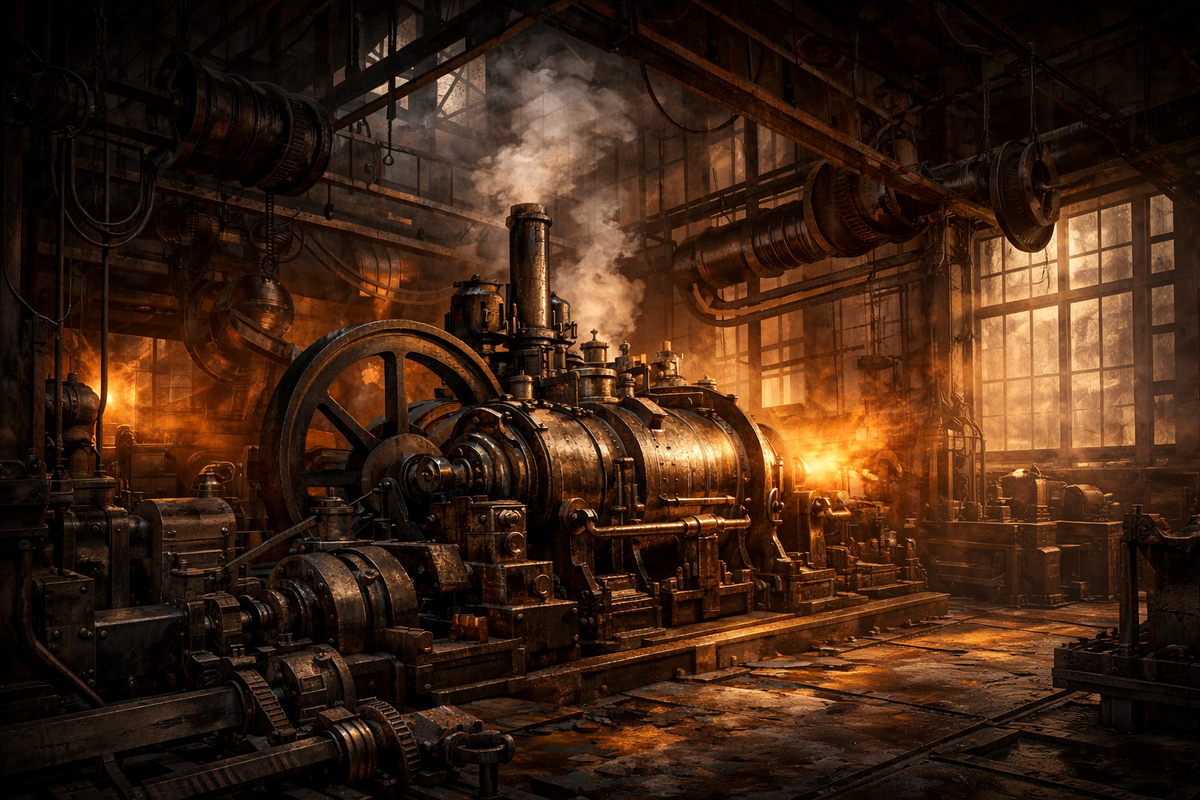
Prior to AI, intelligence had to be built into the software we use.
This is similar to how, prior to electricity, factories needed to come with their own steam engine.
The logic and the workflows needed for software to be useful had to be built into that software, like the steam engine was built into the factory.
Once electricity was invented, your factory no longer needed to come with its own power.
And now that AI has been invented, your software no longer needs to come with its own intelligence.
And this changes everything.
So why has not much changed?
In the early days of electricity few factories adopted it.
Even if they saw its potential, their factories already had their own power source.
Even the ones that did see the potential, simply replaced their steam engines with electrified ones.
The same is true with software today.
Legacy software already comes with its own hard coded intelligence built in.
Adding the new form of intelligence into the existing system is like switching your steam engine out for an electric one.
You may see some gains, but it will not be revolutionary.
It wasn't until factories were reorganized to leverage the new technology that electricity's transformative powers were unleashed.
And it won't be until software is decoupled from its pre programmed, deterministic intelligence that the transformative power of AI will be unleashed either.
Here's how that will happen.
The things we use software for today will be decoupled from that software like the machines on the factory floor were decoupled from the steam engine.
You no longer need to build all the features anyone may need into a standard software that everyone uses.
Instead, each feature will be a tool that you can plug intelligence into, like you plug a machine into the wall.
Huge codebases designed to offer hundreds of features to their users will be a relic of the past.
And they will be replaced by a tiny code base that can call hundreds of tools.
And this is where the factory analogy breaks.
Because software is digital, we don't need to build a different type of factory.
The decoupling of software from intelligence allows us to get rid of the factory altogether.
We no longer need different code bases to accomplish different tasks.
We need one codebase that allows us to add intelligence to any tool.
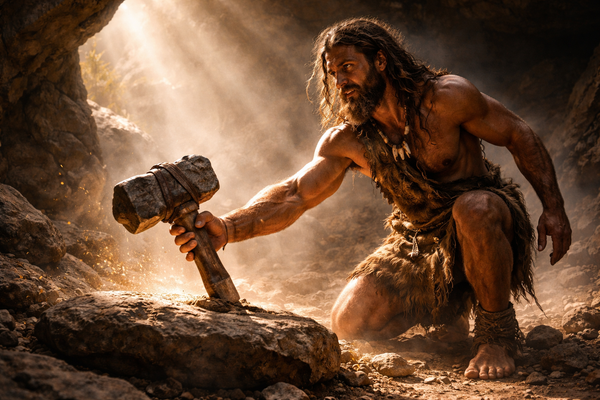
This new type of software is less like a factory, and more like a human with a brain and a hand that can hold any tool.
And we already have the first examples.
This is what AI systems like OpenAI’s Codex and Anthropic’s Claude Code are.
They are intelligence combined with a digital hand (called a harness) that can hold any tool.
And this is why people who use these systems have such a different experience from users of regular ChatGPT and Claude.
ChatGPT and Claude users are seeing the intelligence. But their systems are missing the hand.
Codex and Claude Code combine that intelligence with a digital hand that can hold any tool.
And show us that the future of software is not logging into and using many different software platforms.
It’s logging into one software that can call any tool, and can do any job.
AI did not kill SaaS...
But AI + Tools will.
Thanks for reading.
Dave